
One-time cleanout or recurring waste pickup?
A room full of stored containers and a steady production waste stream may need the same types of service, but they create different planning problems. The first is about defining and completing a project. The second is about keeping an ongoing operation supplied, collected, and documented as conditions change.
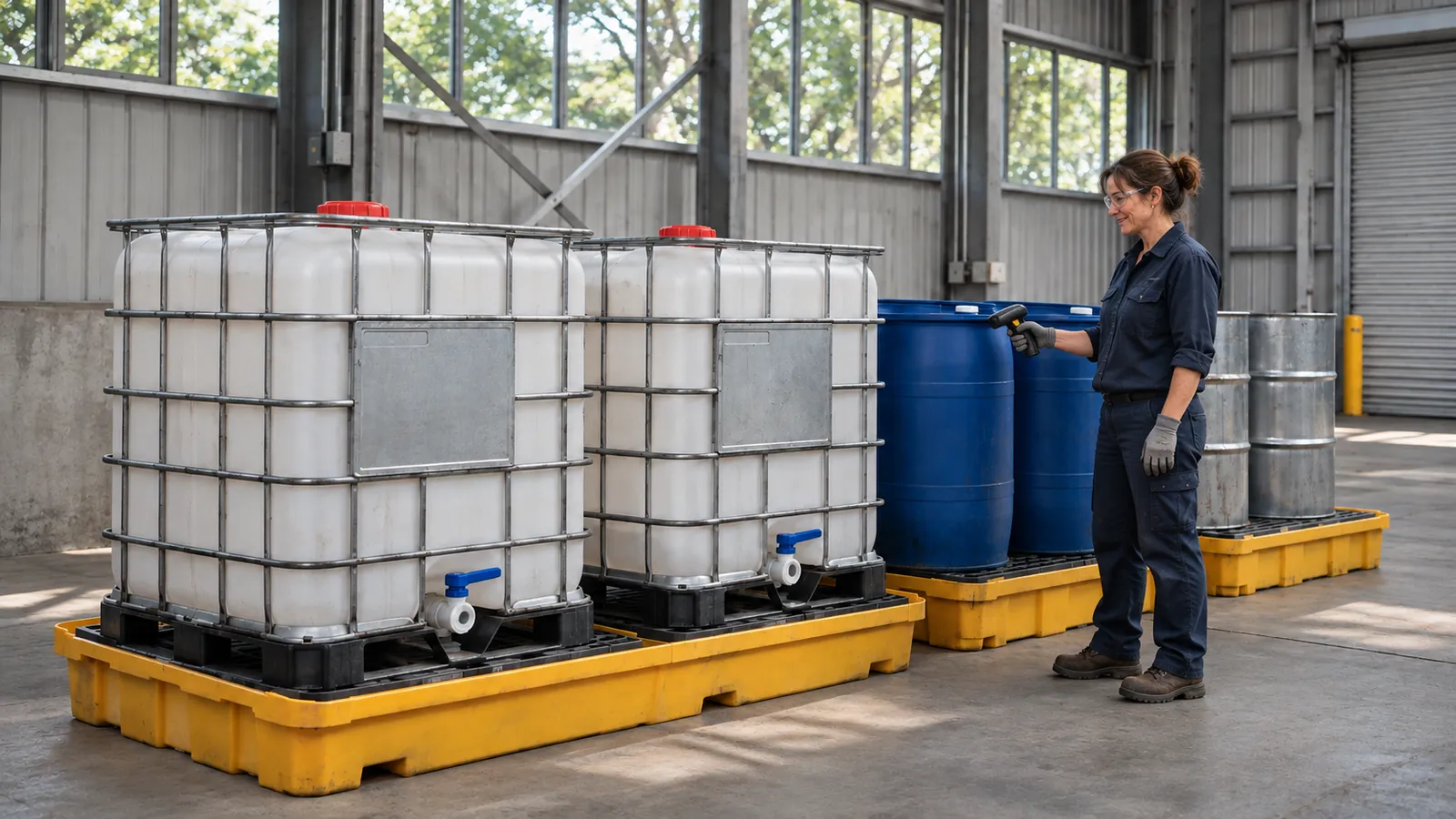
A cleanout starts with the full inventory
For a one-time project, identify everything within the requested scope and separate it from materials that will remain. List containers, known contents, quantities, and the rooms or storage areas involved. Flag gaps rather than assigning guessed identities to unfamiliar materials.
The end point matters. An instruction to remove stored drums is different from a request to clear a room, remove equipment, clean surfaces, or prepare a facility for handover. Describe the desired outcome and identify any work belonging to another contractor.
A recurring program starts with generation patterns
For ongoing service, describe what is generated, how quickly containers become ready for pickup, and the space available for storage. Recent quantities are useful, but include quieter and busier periods rather than relying on one unusual month.
Production changes, seasonal activity, shutdowns, and new departments can alter collection needs. Identify the person who can communicate those changes and discuss how extra collections or revised quantities would be handled.
Site access affects both arrangements
Whether work happens once or repeatedly, the team needs a practical picture of loading access, operating windows, release contacts, and site requirements. For multiple locations, provide those details separately.
A cleanout may need a specific sequence around other work. A recurring program needs collection arrangements that can be repeated reliably within the facility’s normal operation. Explain both the constraints and the flexibility available.
Some facilities need both
An initial cleanout can remove accumulated material before an ongoing program begins. Keep the starting inventory distinct from expected future generation so the quote and collection discussion do not blur the two.
For example, an existing stock of maintenance containers may need a defined removal project while a production line generates a separate regular waste stream. Describe each need and how their timing is connected.
Agree responsibilities and records
Before service starts, confirm the material scope, packaging responsibilities, loading arrangements, and applicable records. Identify the person who approves changes and the person who receives the final documents.
Identify the initial cleanout, recurring service, or combination of both in your inquiry.