Drums & pails
Containerized waste with material information, counts, sizes, and fill levels.

Drum and tote removal planned around contents, container condition, packaging, and loading access.
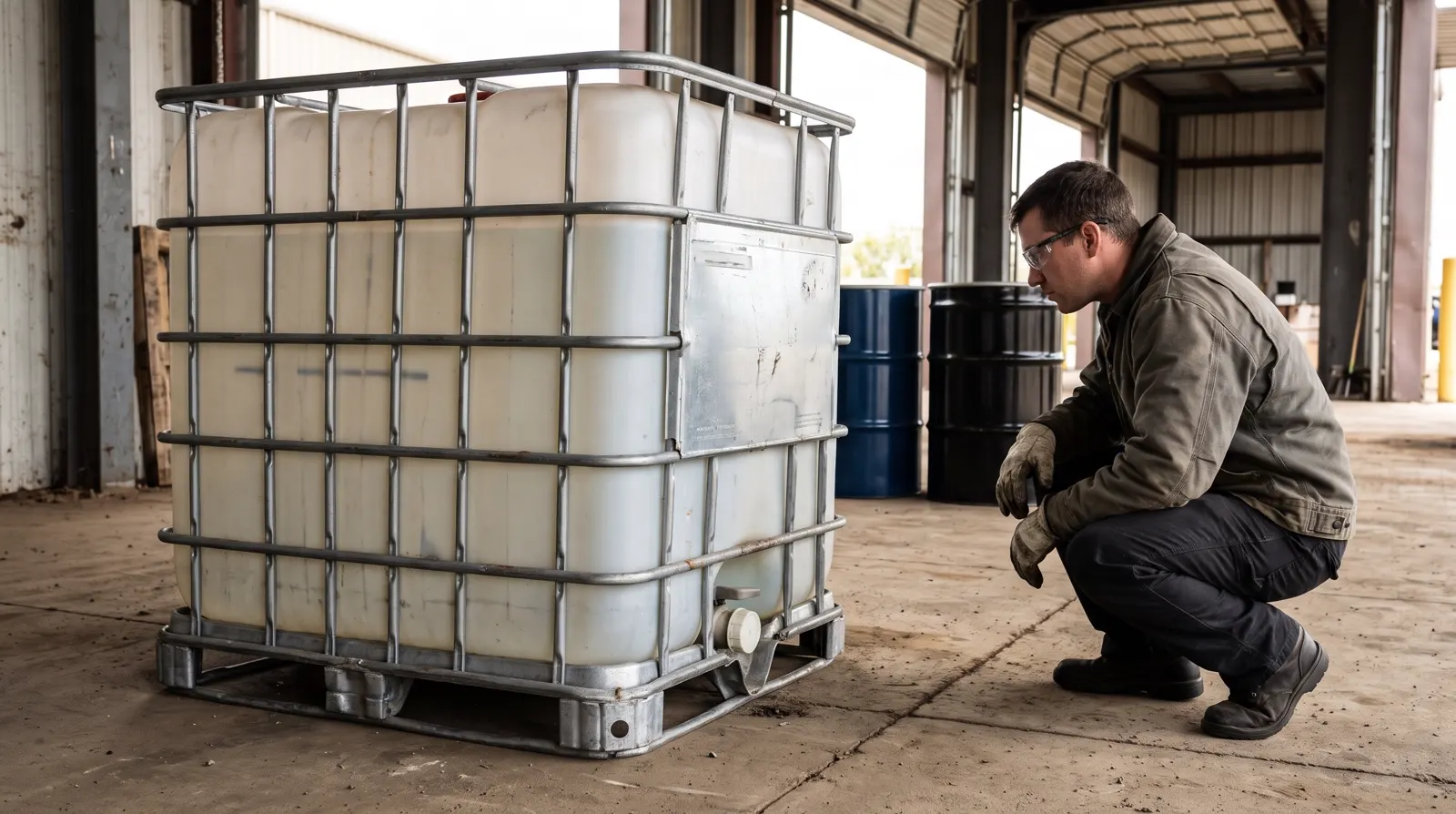
Plan removal around container contents, condition, access, loading, and packaging needs.
Containerized waste with material information, counts, sizes, and fill levels.
Intermediate bulk containers and other containers requiring pickup review.
Photographs and descriptions of corrosion, damage, leaks, or missing labels.
Discuss additional packaging needs and the loading conditions at your site.
List container types, sizes, fill levels, and known contents. Connect each drum, pail, or tote to available product information.
Flag damage, corrosion, leaks, or missing labels before pickup. Existing photos help show the storage arrangement and condition.
Confirm whether removal covers the contents, the containers, or both. Include any additional packaging or overpacking in the scope.
Describe staging, loading access, site equipment, and operating windows. Name the person who can release containers and resolve inventory differences.
Match container types, counts, and contents to the removal inventory.
Agree damaged-container handling, overpacking, staging, and loading responsibilities.
Connect pickup, transportation, and applicable receiving or disposal records.
Acceptance at the receiving destination, service methods, availability, and records are confirmed for your project.
Container counts and sizes, known contents, photos of their condition, loading access, and target pickup date.
You do not need every answer before contacting us.
Download the waste inventory template (CSV)Request a quoteUse your site’s emergency procedures for an active leak or immediate hazard. Flag the condition before collection is arranged, using existing photos, labels, and known contents where available. Describe visible damage, corrosion, or leakage without opening or moving the drum to investigate. Container condition can affect handling, overpacking, access, and the removal plan; these requirements need review before pickup.
Yes. List drums, pails, and IBC totes separately with counts, capacities, approximate fill levels, and known contents. Connect each group to available product or waste information. Identify whether removal covers the contents, the containers, or both, and flag any uncertain materials.
Describe where containers are stored and the route to the loading point. Include stairs, door or vehicle restrictions, operating hours, available site equipment, and any access bookings. Identify the site contact and agree staging and loading responsibilities as part of the removal scope.
Include any damaged-container or additional-packaging needs in the inquiry. Share container dimensions, condition, known contents, and storage access so the team can review the requirements. Overpacking and related handling should be included in the agreed scope; do not repackage uncertain materials to prepare for a quote.
Yes. Start with counts, locations, existing labels, and any records from the previous operation. Identify uncertain contents and visible container problems. Name the person who can authorize disposal and resolve inventory differences, and distinguish containers for removal from materials that must remain.
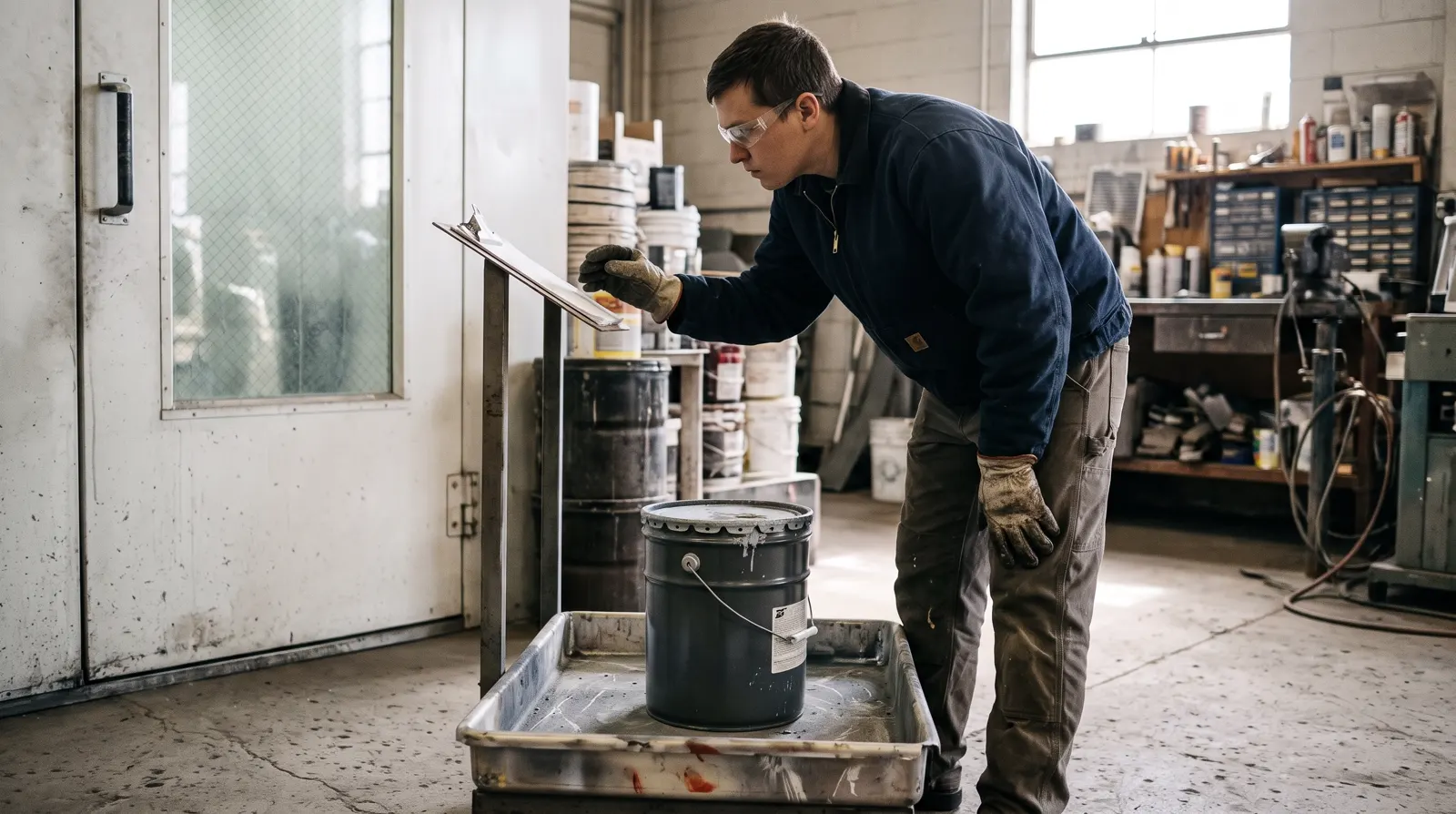
Tell us what your operation generates, from spent cleaning solvents to coating residues. We coordinate profiling, pickup, and disposal arrangements with the receiving facility.
Explore service →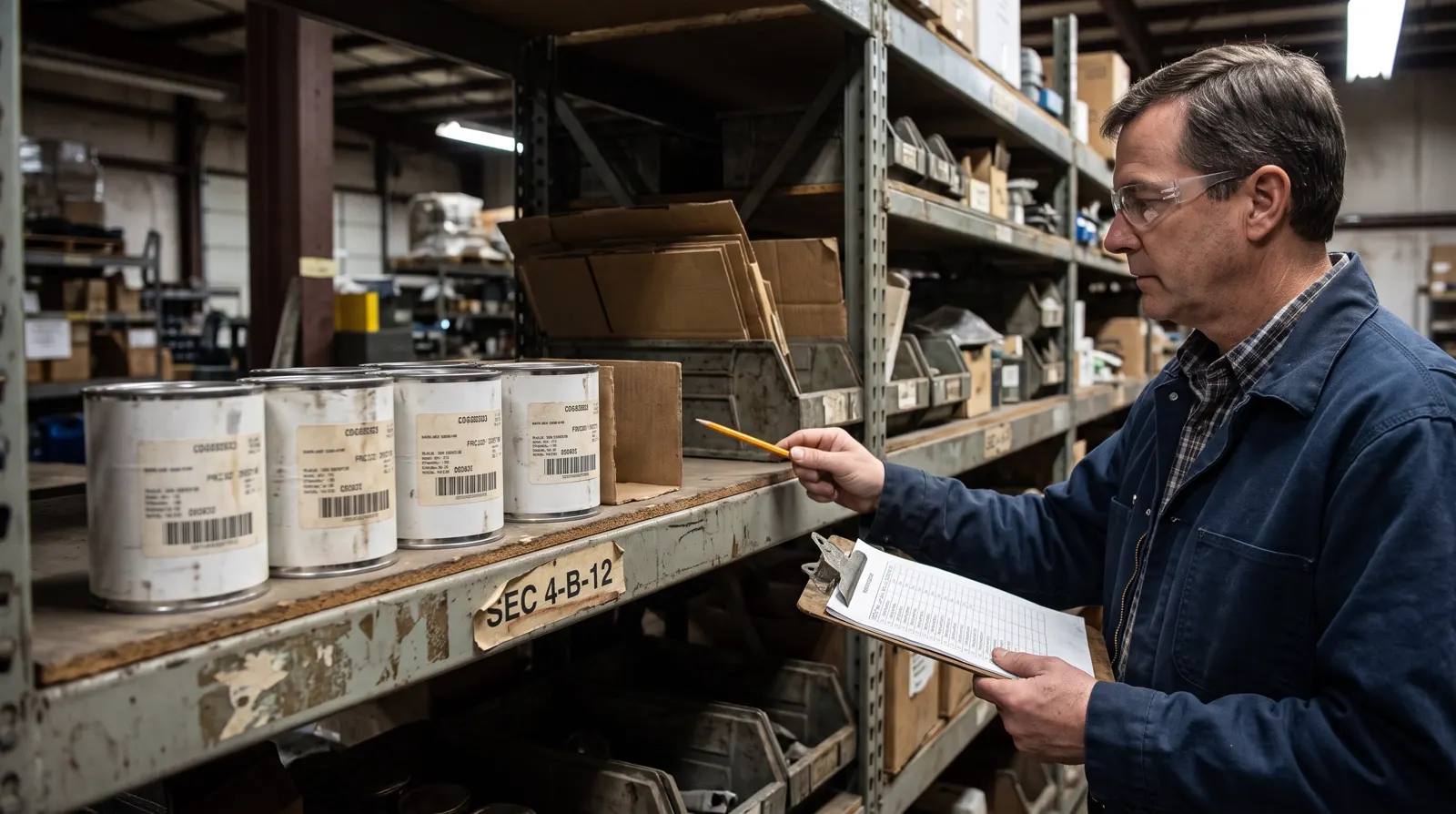
Clearing a storeroom or retiring a product line? Send the chemical list and container counts so we can review surplus stock and plan its removal.
Explore service →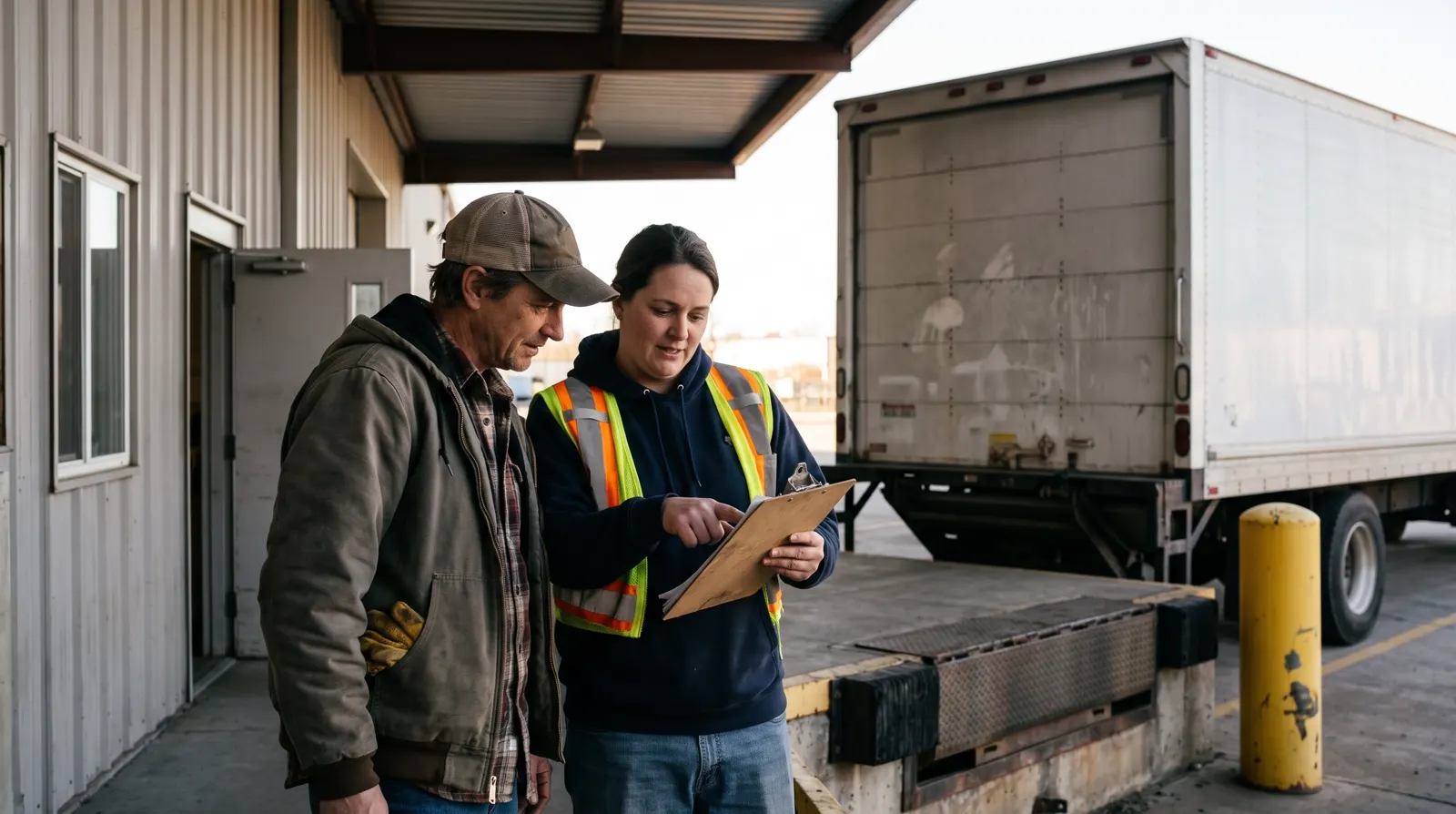
Waste transportation and hauling with pickup, loading, destination requirements, and shipment records coordinated together.
Explore service →