Solvents & process chemicals
Spent solvents, cleaning chemicals, still bottoms, and materials generated through production or maintenance.

Tell us what your operation generates, from spent cleaning solvents to coating residues. We coordinate profiling, pickup, and disposal arrangements with the receiving facility.
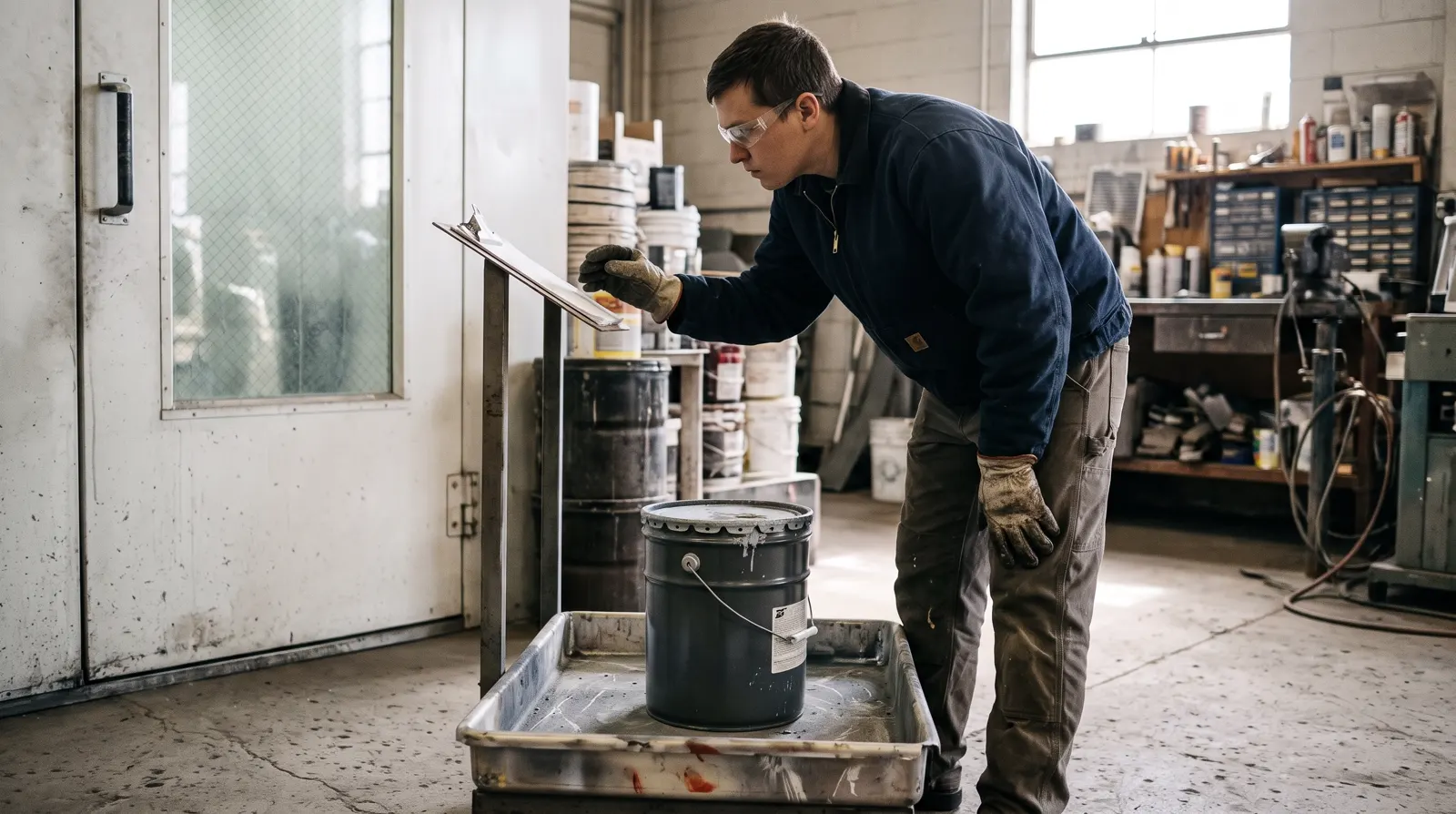
The source, composition, quantity, and container condition shape profiling, packing, pickup, and disposal arrangements.
Spent solvents, cleaning chemicals, still bottoms, and materials generated through production or maintenance.
Chemical materials and mixed inventories that need compatibility, packaging, and acceptance review.
Paint-related materials, resins, epoxies, coatings, and contaminated materials from your operation.
Older inventories and containers whose labels, condition, or contents need a closer review.
Connect the source process and profiling information to acceptance requirements at the receiving destination.
Agree packaging, container condition, loading, and transportation requirements.
Confirm shipment records, receiving documents, and who should receive them.
Acceptance at the receiving destination, service methods, availability, and records are confirmed for your project.
Material names, source processes, available safety data sheets, quantities, and container condition.
You do not need every answer before contacting us.
Download the waste inventory template (CSV)Request a quoteYes. We can review solvents, corrosives, coatings, and other chemical waste in the same project. List each stream separately with its source, approximate quantity, container sizes, and available product or waste information. That gives the team a useful inventory for planning acceptance, packaging, collection, and disposal arrangements.
Identify the contents as uncertain and share what you already know: where the container is stored, the process it may have come from, existing records, and its visible condition. Do not open, sample, or combine unknown materials to complete an inquiry. We’ll identify what further information or assessment is needed.
Yes. Include the approximate age of the inventory, known contents, container counts, and any visible damage or corrosion. Existing photos and old product records can help. Identify who can authorize removal and resolve inventory questions so the cleanout includes the right materials.
A safety data sheet is useful supporting information, but it may not describe changes to a product during use. Explain the process that generated the waste and any known additions or mixtures. The material review establishes what else is needed for profiling and acceptance at the receiving destination.
Yes. Bring those needs into the same inquiry so packaging, loading access, transportation, and the receiving arrangement can be connected. Include any site responsibilities or purchasing requirements. The agreed scope should identify the work included and the shipment or completion records required.
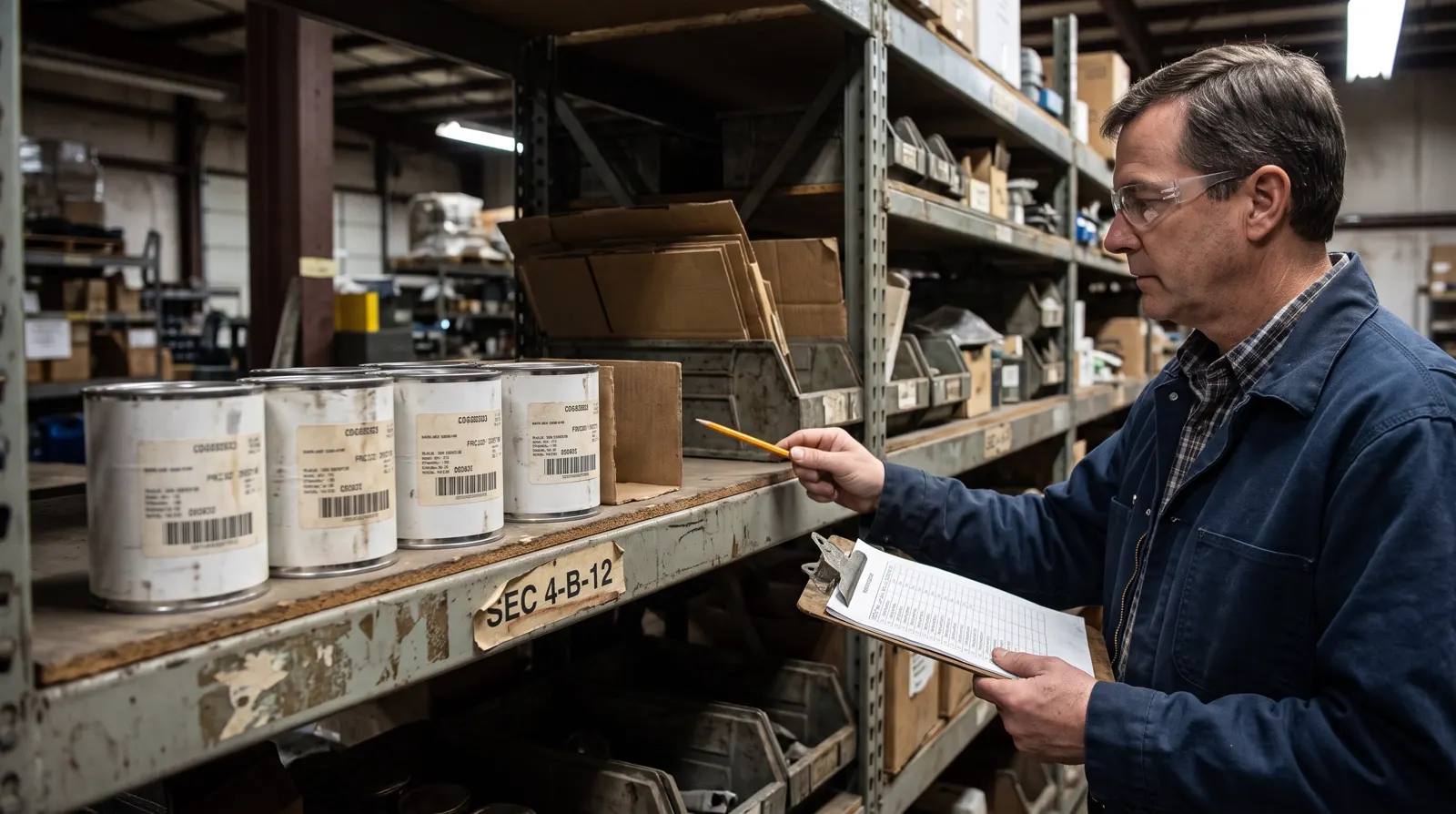
Clearing a storeroom or retiring a product line? Send the chemical list and container counts so we can review surplus stock and plan its removal.
Explore service →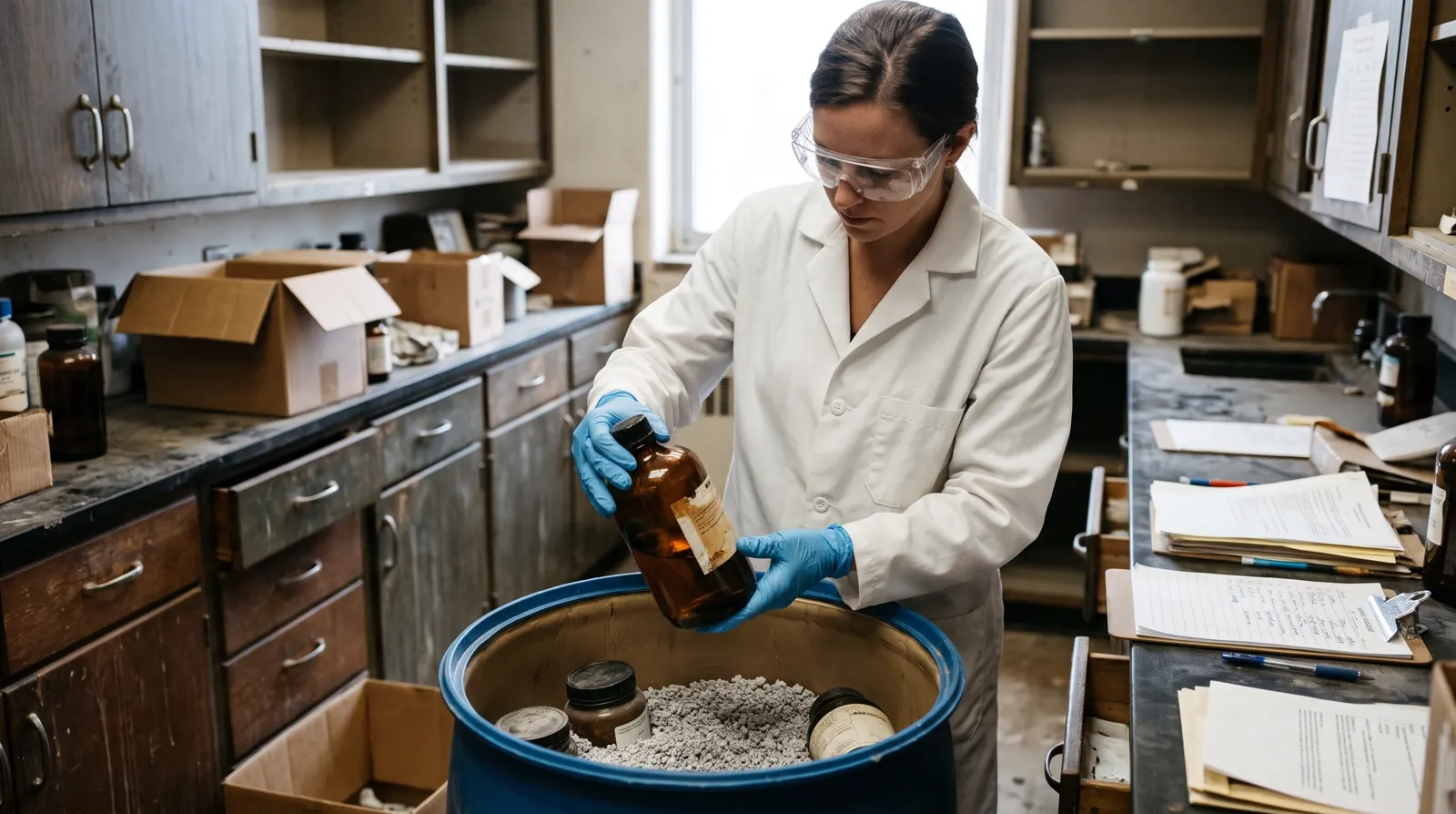
On-site lab packing and chemical cleanouts for expired reagents, surplus stock, moves, and closures.
Explore service →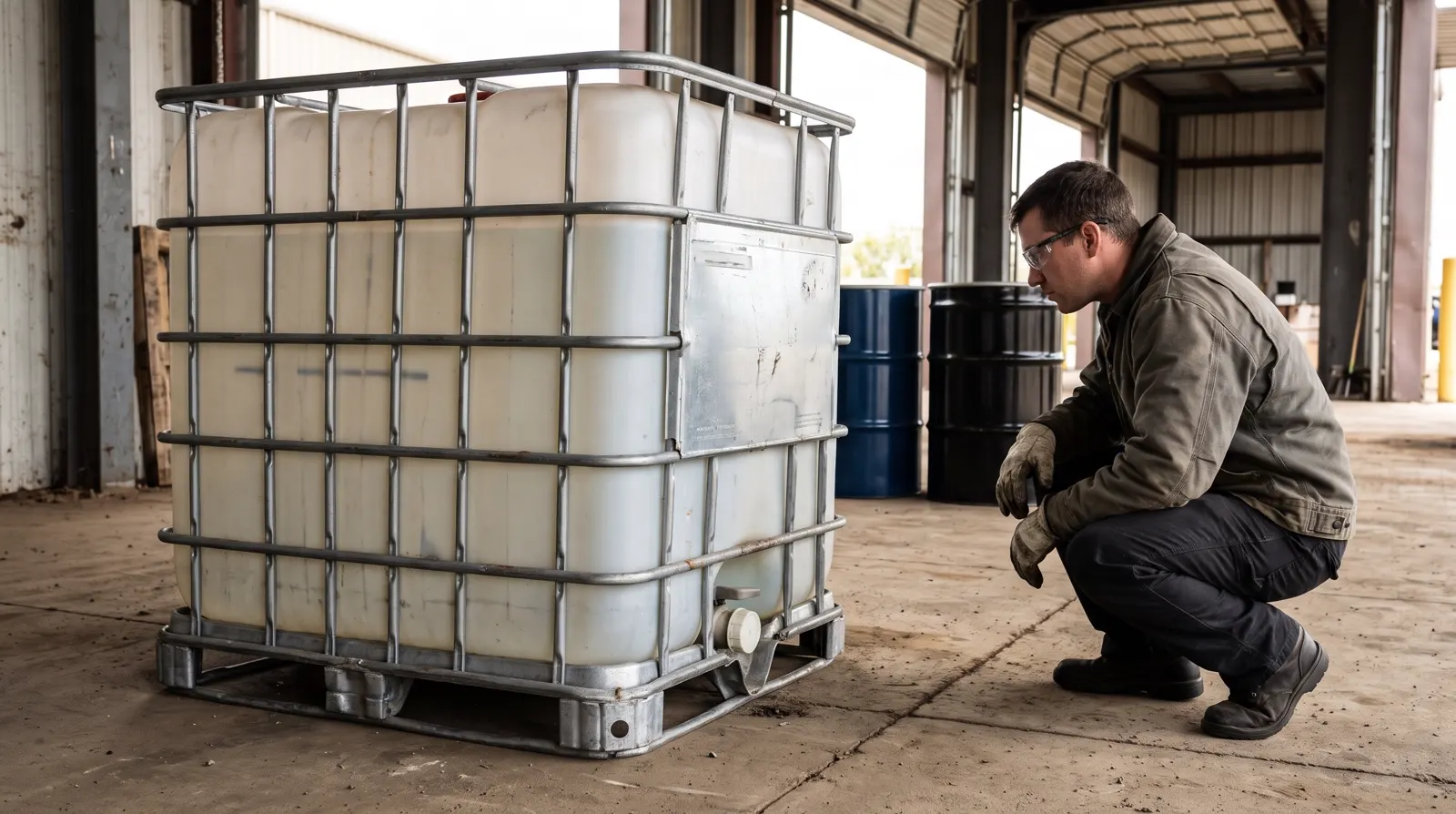
Drum and tote removal planned around contents, container condition, packaging, and loading access.
Explore service →