Spent process chemicals
Materials generated through production, cleaning, or maintenance.

Clearing a storeroom or retiring a product line? Send the chemical list and container counts so we can review surplus stock and plan its removal.
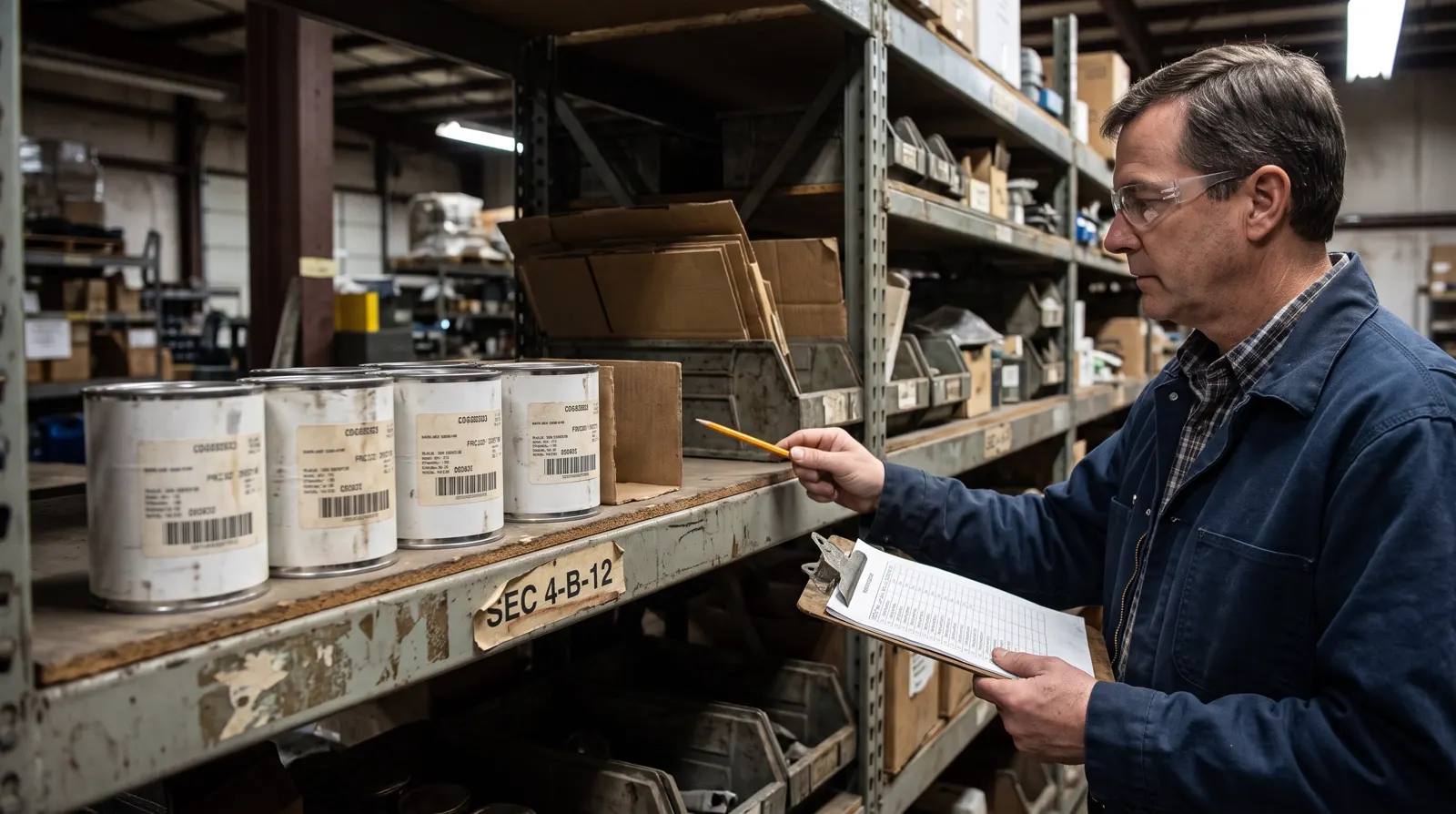
Start with the contents of your spent products, surplus chemicals, and mixtures, including any information gaps.
Materials generated through production, cleaning, or maintenance.
Unused or outdated products and chemical inventories awaiting removal.
Mixtures whose composition and compatibility need to be reviewed.
Drums, pails, totes, and smaller containers with known or uncertain contents.
Describe the process, products, and changes that created the waste. Separate known mixtures from uncertain materials, and include existing analysis or profiles.
List unused products, partly filled containers, and incomplete labels. Flag information gaps instead of guessing at identities.
Count bottles, pails, drums, and totes separately, with approximate capacities and fill levels. Identify one-time cleanouts and ongoing waste streams.
Connect chemical disposal, lab packing, container removal, and transportation in the scope. Agree the work and closeout records required.
Give each material a reference so the team can match it to its records.
Identify spent materials, surplus products, and mixtures as separate chemical streams.
Include any lab packing, container removal, and transportation in the disposal arrangements.
Confirm material references and required service records before work starts.
Acceptance at the receiving destination, service methods, availability, and records are confirmed for your project.
Chemical names, available product information or safety data sheets, quantities, and container sizes.
You do not need every answer before contacting us.
Download the waste inventory template (CSV)Request a quoteYes. Share product names, quantities, container sizes, and available safety data sheets or manufacturer information. Distinguish unused stock from spent materials and mixtures. Flag damaged containers or incomplete labels, and identify whether the project is a one-time inventory clearout or part of an ongoing waste stream.
Describe the process that generated it, its known ingredients, and approximate proportions where records are available. Include existing analysis or waste profiles and note any changes since they were prepared. If the composition is uncertain, say so; do not guess or combine materials to simplify the inventory.
Yes. List the number of bottles, pails, drums, or totes, their nominal capacities, and approximate fill levels. A partly filled drum is different from a full one, so identify estimates clearly. Container condition and loading access also help define packing and removal needs.
Yes. List small-container inventories separately from drums or totes so each part of the work is visible. Note the rooms or storage areas involved and whether lab packing is needed. We can review the packing, container removal, transportation, and disposal arrangements together.
Yes. Describe the materials generated, typical quantities, current containers, storage space, and preferred collection frequency. Identify any accumulated inventory separately from the ongoing stream. Tell us about production changes or shutdowns that could affect quantities or the pickup window.
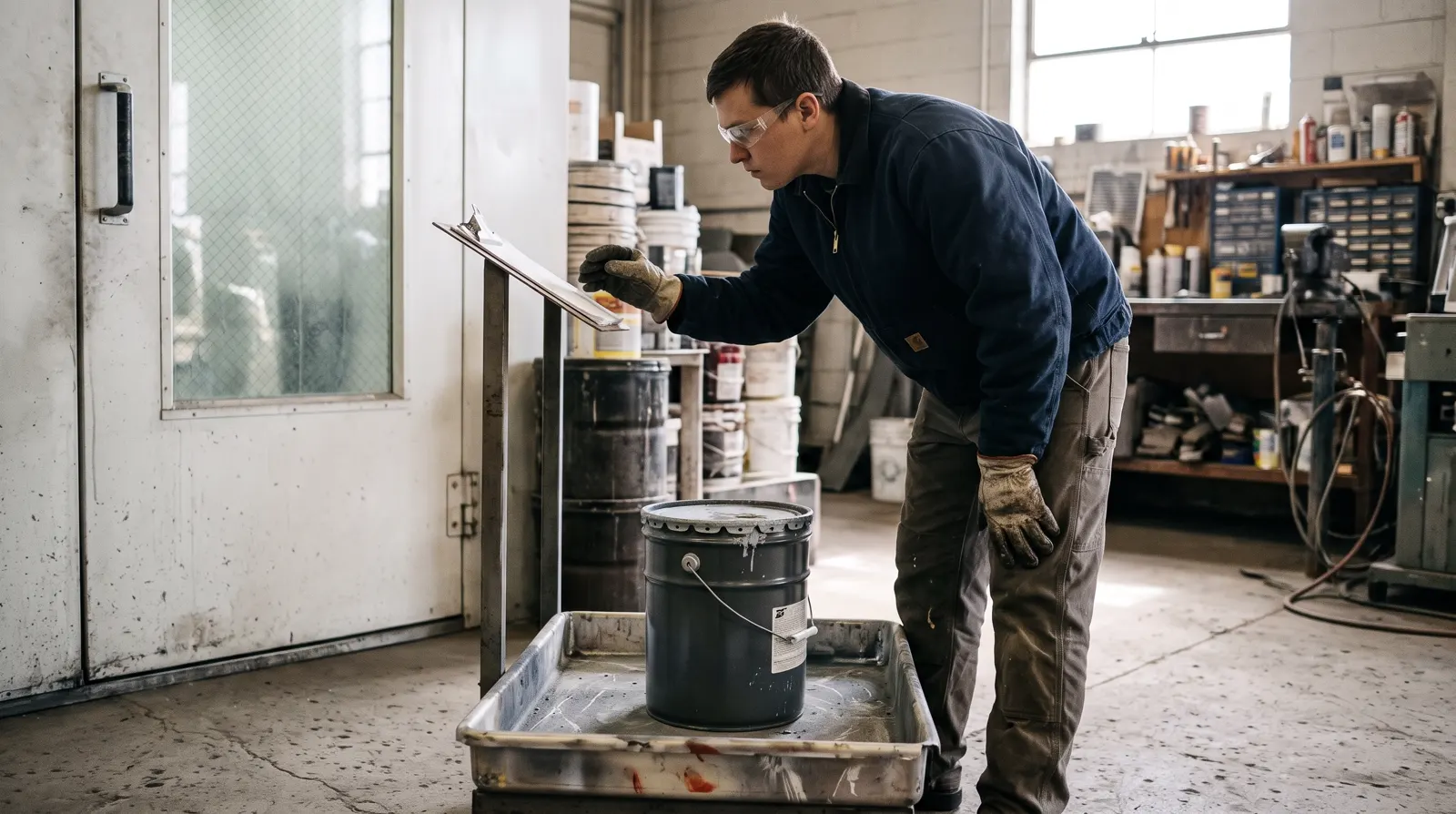
Tell us what your operation generates, from spent cleaning solvents to coating residues. We coordinate profiling, pickup, and disposal arrangements with the receiving facility.
Explore service →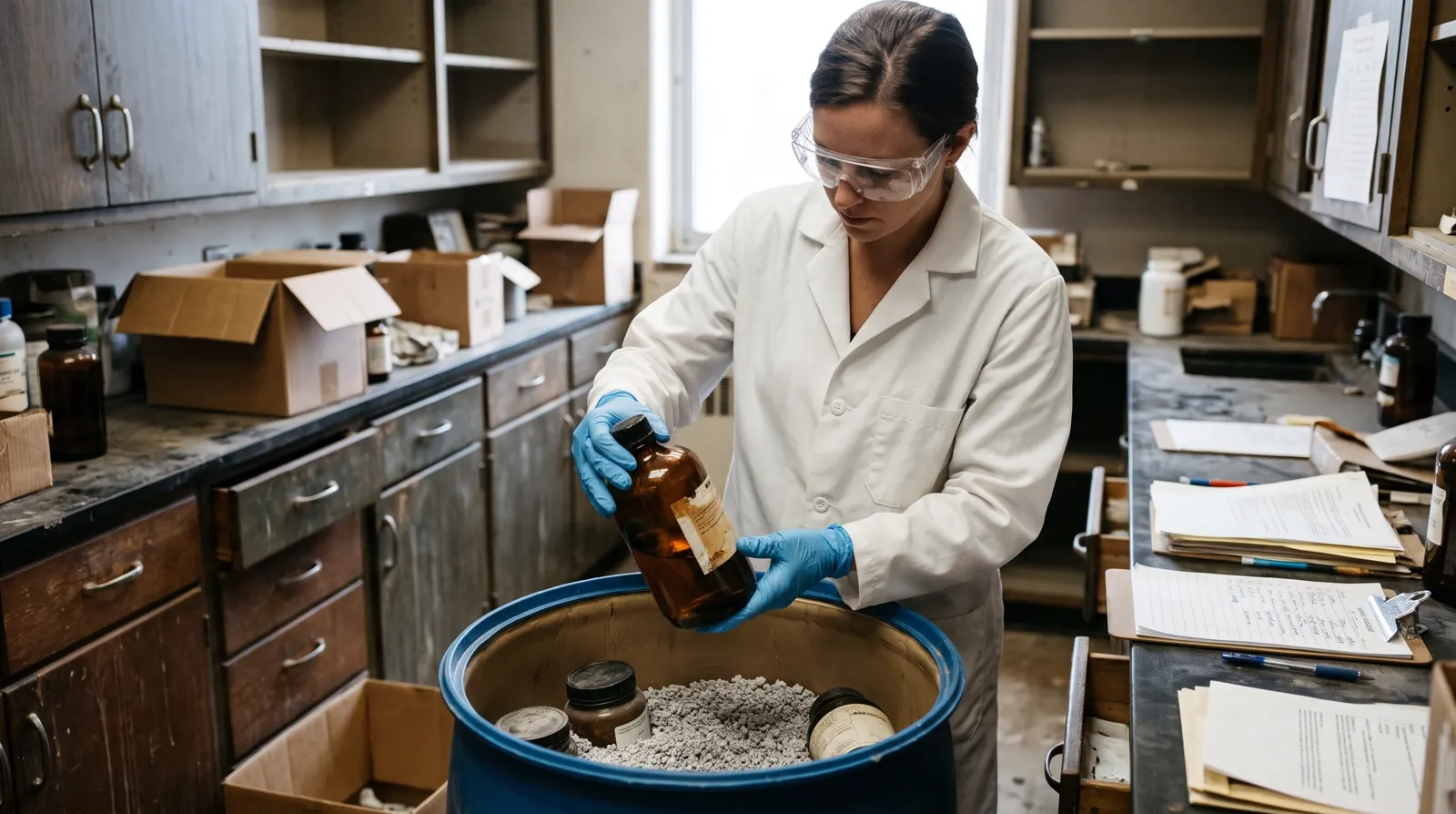
On-site lab packing and chemical cleanouts for expired reagents, surplus stock, moves, and closures.
Explore service →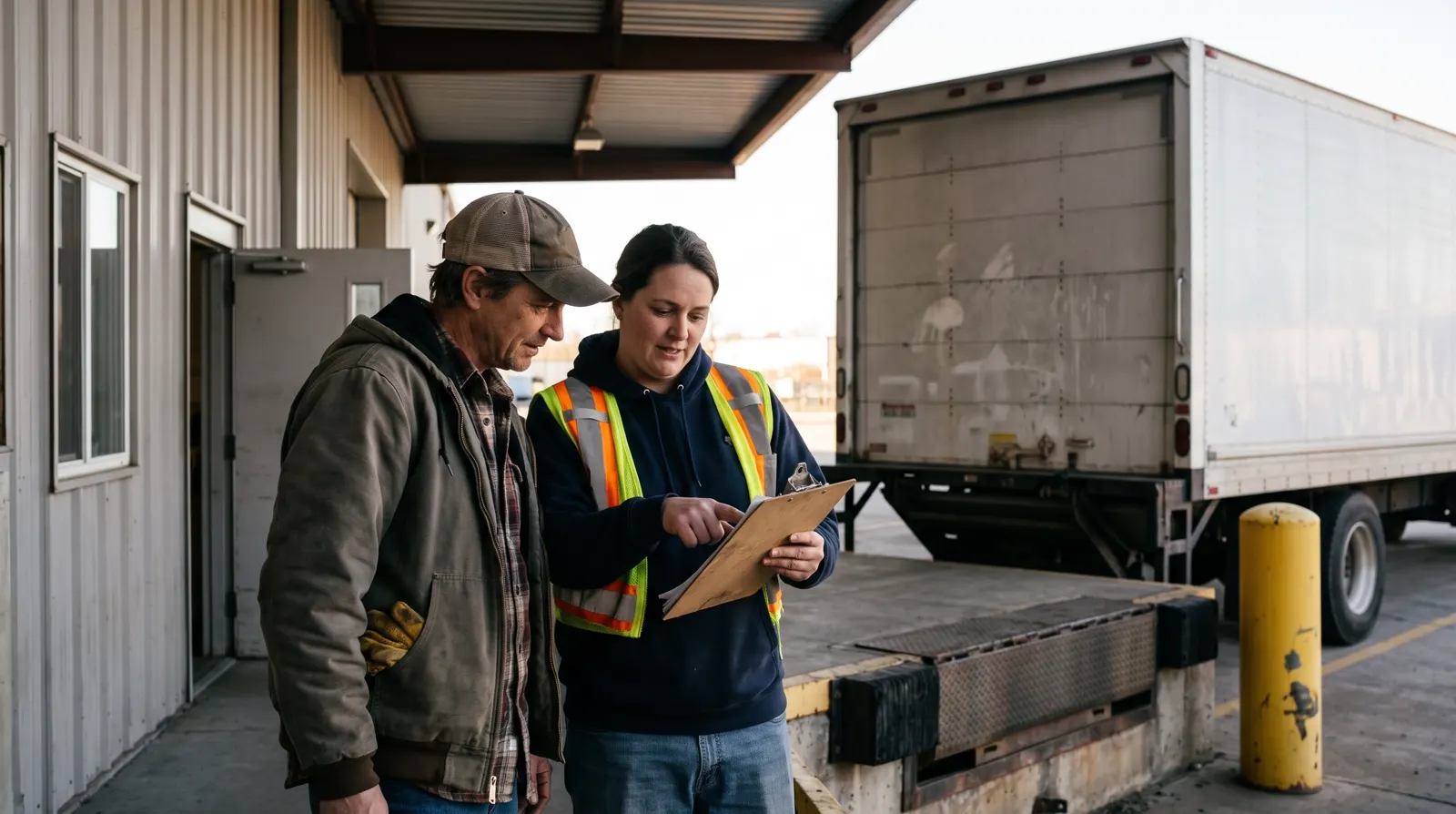
Waste transportation and hauling with pickup, loading, destination requirements, and shipment records coordinated together.
Explore service →