Computers & business devices
Retired computers, peripherals, and business electronics for project review.

Business electronics cleanouts, with inventory, access, and data-handling requirements agreed before collection.
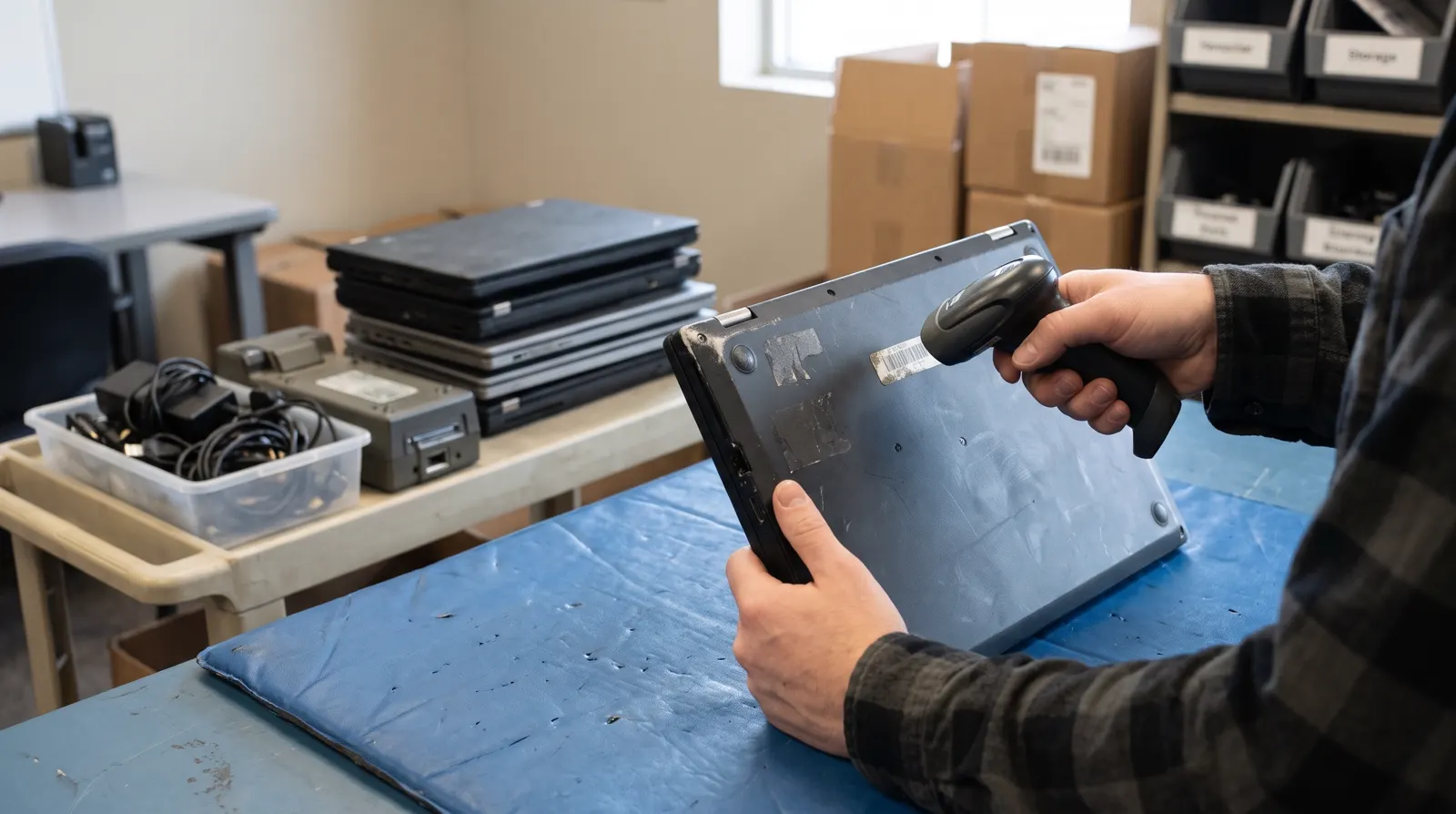
Start an equipment cleanout with device types, quantities, and handling requirements.
Retired computers, peripherals, and business electronics for project review.
Equipment inventories whose acceptance and handling need to be confirmed.
Stored or surplus devices being removed during a move or cleanout.
Share data-handling and documentation requirements before the scope is agreed.
List computers, displays, printers, network devices, peripherals, and larger equipment. Counts and photos help when a complete asset register is unavailable.
Identify data-bearing devices and required methods, approvals, and records. Agree collection, recovery, and data-destruction requirements before releasing equipment.
Explain whether equipment is staged or spread across rooms. Include floors, elevators, loading docks, parking, and access bookings.
Agree batch records, asset identifiers, or other completion documents. Confirm recycling, reuse, or destruction arrangements for the actual equipment.
Confirm which devices leave, which remain, and who authorizes release.
Define collection, data requirements, and any recycling, reuse, or destruction arrangements.
Agree loading access, equipment identifiers, and completion records.
Acceptance at the receiving destination, service methods, availability, and records are confirmed for your project.
An equipment list or photos, approximate device counts, location, access, and any data-handling requirements.
You do not need every answer before contacting us.
Request a quoteTell us the devices involved and your organization’s required handling method, approvals, custody records, and completion documents. Collection alone does not establish a data-destruction method or certification. Confirm those arrangements for the actual equipment before authorizing its release.
Yes. Share device categories and approximate counts, including computers, displays, printers, network equipment, peripherals, and larger items. Photos can help when a detailed asset list is unavailable. Identify equipment approved for removal separately from devices being retained, reused internally, or moved by another contractor.
No. This service is for commercial and industrial generators, with no public drop-offs. For a business or school project, share the equipment inventory, pickup address, access, and timing. Individuals should use local household electronics-recycling resources.
Tell us whether your organization needs counts by device category, individual asset identifiers, or reconciliation against an asset register. Include the required format and approval contact early. The inventory and completion records should match the agreed project, rather than relying on an assumed level of tracking.
Describe whether devices are disconnected, boxed, staged, or still distributed across desks and rooms. Include floors, elevators, loading docks, parking restrictions, and access bookings. Agree who is responsible for disconnection, packing, internal moves, and loading before collection is scheduled.